
[18F]FDG PET/CT for Osteosarcoma
Monitoring Osteosarcoma Chemotherapy Response with PET/CT
Improving treatment outcomes with PET/CT monitoring
Osteosarcoma is a rare but aggressive form of bone cancer requiring early, effective treatment for improved survival outcomes. Recent research has shown that [18F]FDG PET/CT imaging can serve as a reliable early indicator of how patients respond to neoadjuvant chemotherapy, allowing clinicians to personalize treatment strategies in real time.
A study published in EJNMMI Research evaluated whether PET/CT scans after one and two cycles of chemotherapy could predict event-free survival (EFS) in patients with extremity osteosarcoma. The findings suggest that osteosarcoma PET/CT imaging plays a valuable role in predicting clinical outcomes and optimizing care.
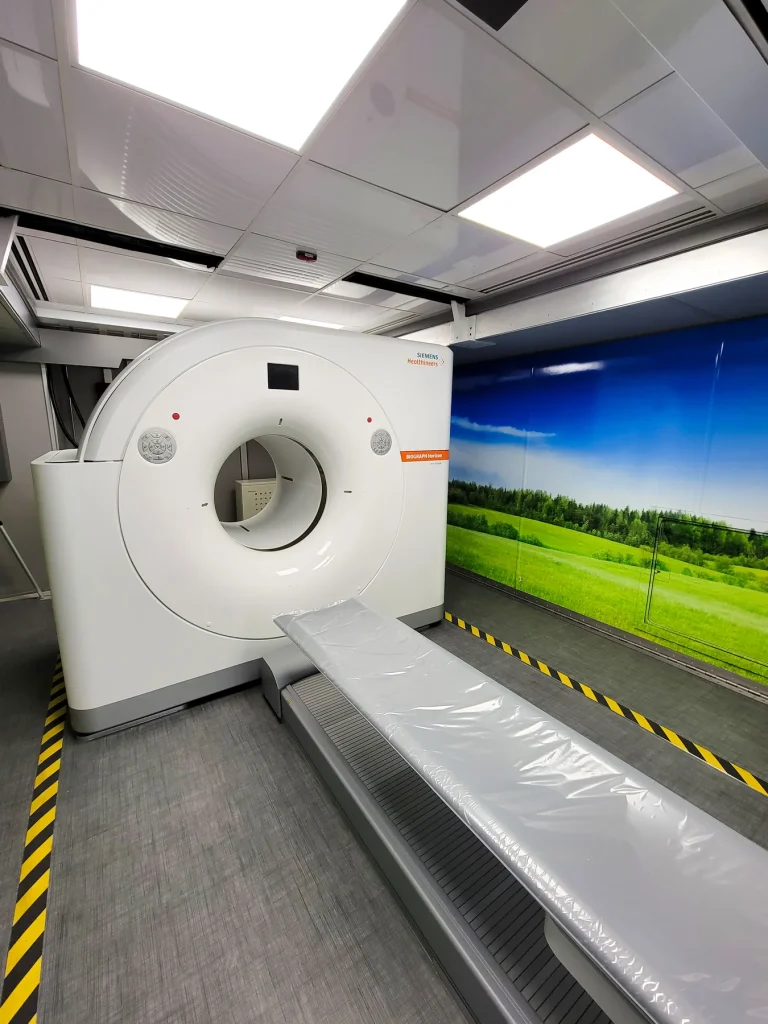
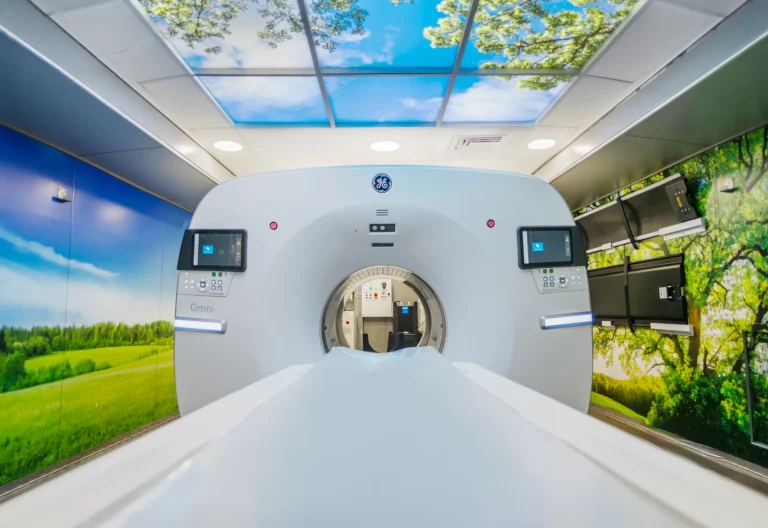
For providers seeking to integrate early response monitoring into oncology workflows, Shared Medical Services offers flexible, high-sensitivity mobile PET/CT imaging across the U.S.
Study overview: predicting osteosarcoma response with PET/CT
This retrospective analysis included 73 patients with AJCC stage II extremity osteosarcoma, all of whom underwent:
-
- Two cycles of neoadjuvant chemotherapy
- Surgical resection of the primary tumor
- Postoperative adjuvant chemotherapy
- Multiple PET/CT scans before and after treatment cycles
Researchers used SUVmax (Standardized Uptake Value) as the primary metric to evaluate glucose metabolism in tumors and its correlation with patient outcomes.
Key findings: PET/CT metrics that predict survival
49.3% of patients had poor histologic response to chemotherapy
23.3% experienced metastasis or local recurrence
Higher SUVmax values after treatment correlated with poorer survival outcomes
PET/CT Predictive Markers Identified:
- SUV2: Patients with SUVmax > 5.9 (post-second scan) had significantly worse outcomes
- SUV01: Less than -39.8% change between baseline and first scan = poor response
- SUV02: Less than -54.1% reduction between baseline and second scan = increased risk
These indicators allow clinicians to identify non-responders early and consider alternative or intensified therapies.
Clinical implications: personalizing osteosarcoma care with PET/CT
The ability to use PET/CT for chemotherapy monitoring brings several benefits to oncology:
- Early scan results can help stratify patients by risk
- Poor responders may receive tailored or intensified treatments
- Real-time adjustments can improve event-free survival outcomes
As personalized medicine becomes the standard of care, tools like PET/CT imaging are critical for precision oncology.
Expand access to oncology imaging
Shared Medical Services provides mobile PET/CT units capable of supporting complex treatment monitoring needs for cancer patients, including those with rare tumors like osteosarcoma. Our solutions are ideal for:
Media Contact:
Blake Kenney
Senior Marketing Specialist
Shared Medical Services, Inc.
Phone: (608) 910-1332
Email: contactsms@sharedmed.com

We deliver what’s next.
For more than 45 years, Shared Medical Services has been a trusted partner in mobile and interim imaging, giving hospitals, clinics, and health systems access to CT, MRI, PET/CT, and Cardiac PET/CT. From routed and parked solutions to flexible interim rentals, we bring the expertise, reliability, and service that keep imaging running.